
Posture Care in Colorado Springs
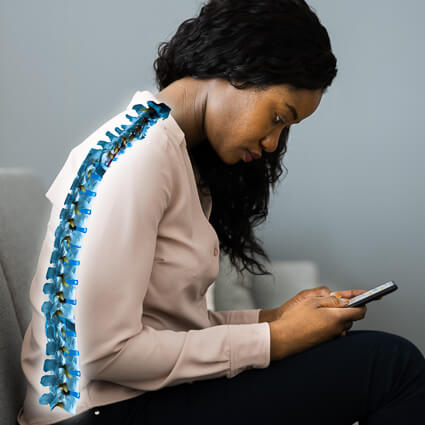 Ever catch yourself leaning toward your computer screen, then straightening up when you notice? A few minutes later, you’re right back where you started. It’s frustrating, especially when you’re making an effort to improve your posture.
At Satori Spinal Wisdom, LLC, Dr. Audrey Siow, DC, looks beyond the familiar advice to stand up straight. She considers how spinal movement, muscle tension, everyday habits, and stress may influence the way you carry yourself.
Why Does Your Head Keep Moving Forward?
Forward head posture happens when your head rests farther in front of your shoulders than usual. It may develop gradually through prolonged sitting, screen use, physical demands, or other factors.
Posture isn’t just about how straight your spine looks. It’s also about how your body responds to the physical and emotional stresses of everyday life.
- Tightness or stiffness in your neck and shoulders
- Rounding through your upper back
- Changes in how you stand or walk
- Lower back fatigue or discomfort
- Muscle tension after prolonged sitting or standing
Physical Stress, Mental Stress, and Your Spine
Colorado Springs is home to military personnel, outdoor enthusiasts, busy professionals, and growing families. Whether you’re carrying heavy tactical gear, spending hours at a desk, or managing a demanding schedule, different types of stress can influence muscle tension and movement.
Previous injuries, falls, or years spent playing sports may also be part of your history. Even if something happened long ago, it’s worth discussing during your evaluation.
Rather than focusing only on where discomfort appears, our chiropractor examines the spine as a whole and considers your history, activities, and current concerns. Sometimes, the area that hurts is only part of the picture.
A Nervous System-Focused Approach to Posture
Rather than trying to force the spine into a particular position, Dr. Siow takes a different approach. Through NetworkSpinal®, she uses light contacts along the spine, focusing on the relationship between muscle tension, body awareness, and nervous system function.
Some patients describe feeling lighter on their feet, standing taller, or noticing less tension when they walk after care. Everyone responds differently, however, and lasting postural changes aren’t guaranteed.
Recommendations depend on your examination findings and individual needs.
Frequently Asked Questions
Can poor posture cause lower back pain?
Should children and teenagers have their posture checked?
Can I improve my posture with exercises?
Let’s Take a Closer Look at Your Posture
You don’t have to keep reminding yourself to sit up straight without understanding why your posture keeps changing. Dr. Siow takes the time to look at the bigger picture, from everyday habits to spinal movement and tension.
If you’re in Colorado Springs, contact Satori Spinal Wisdom, LLC to schedule an evaluation.
